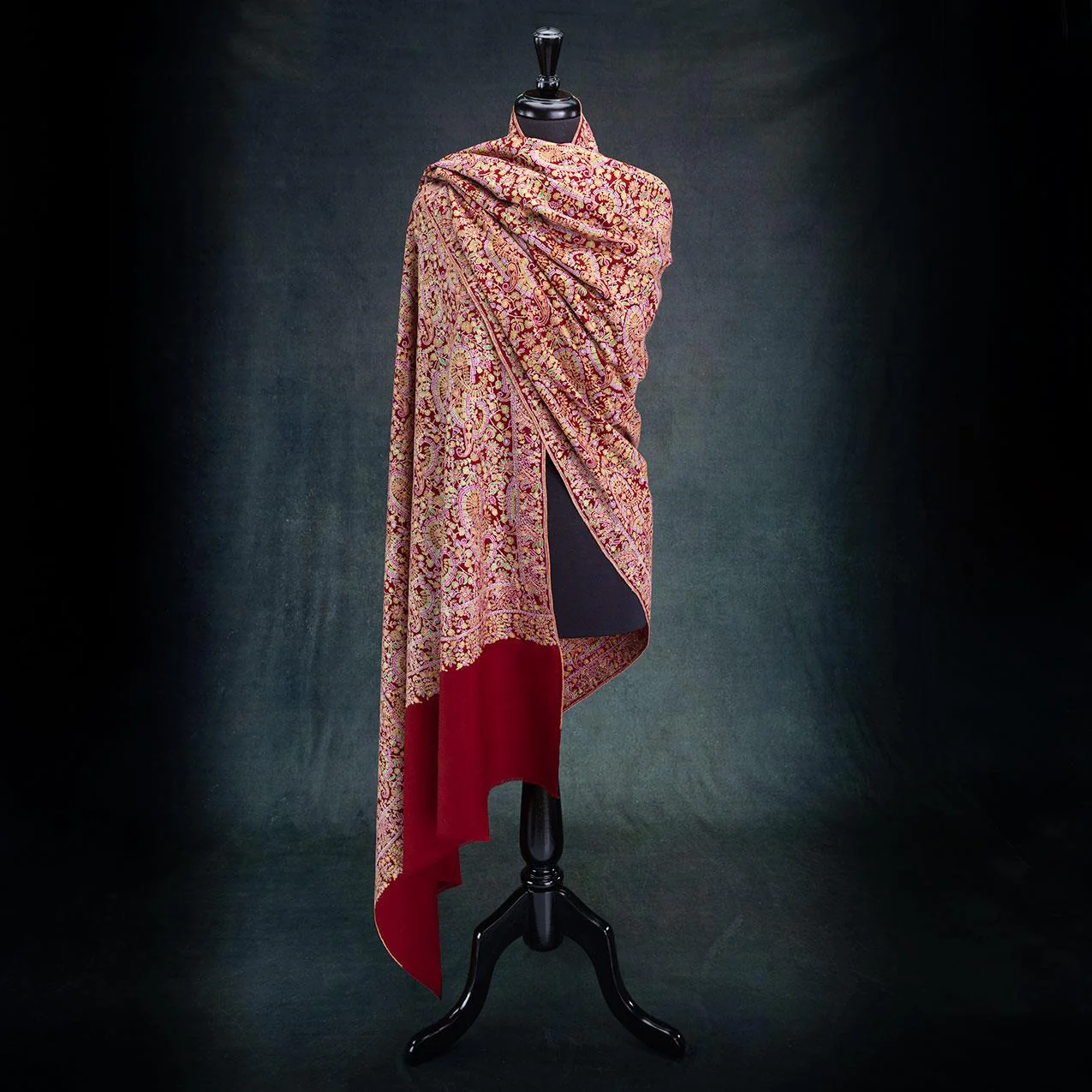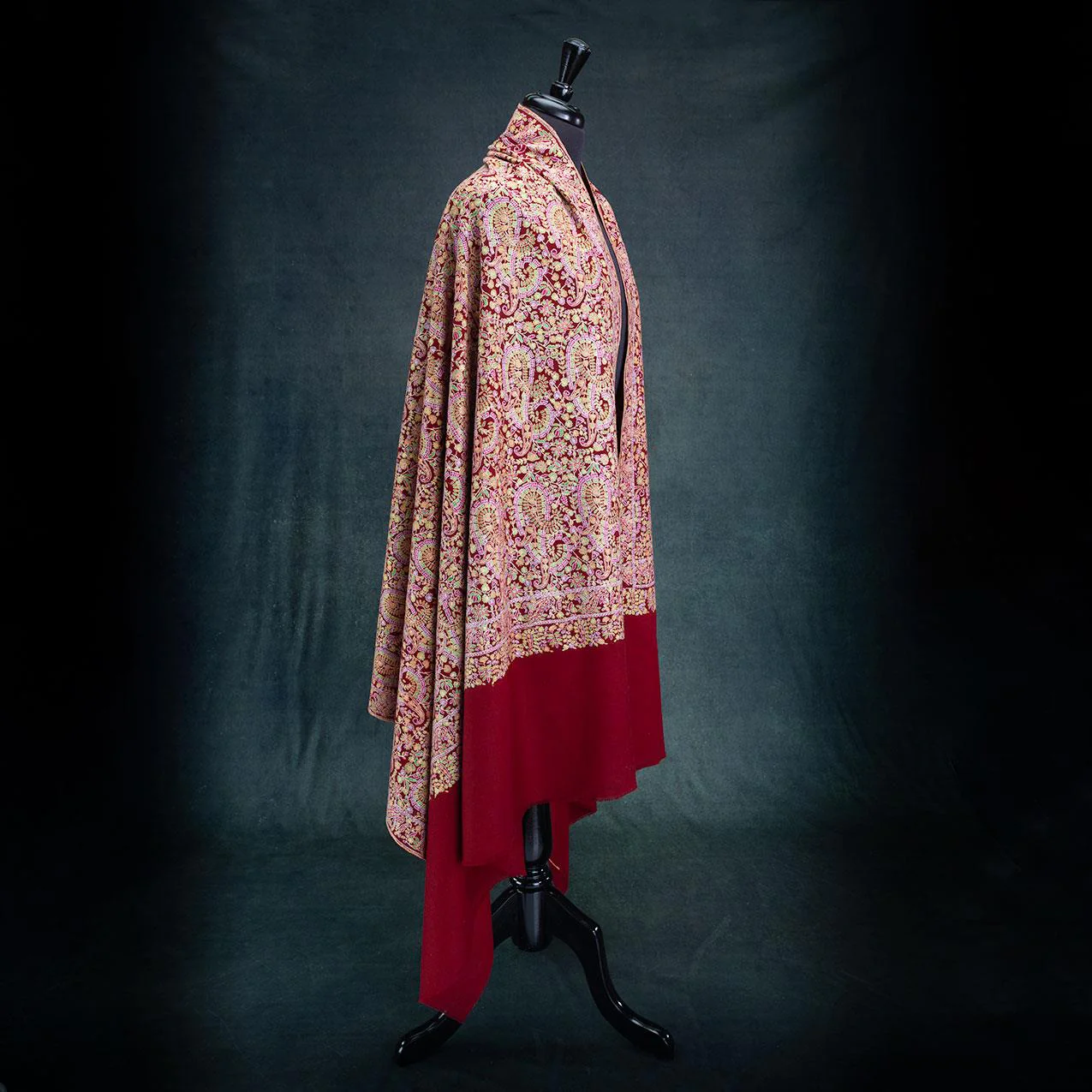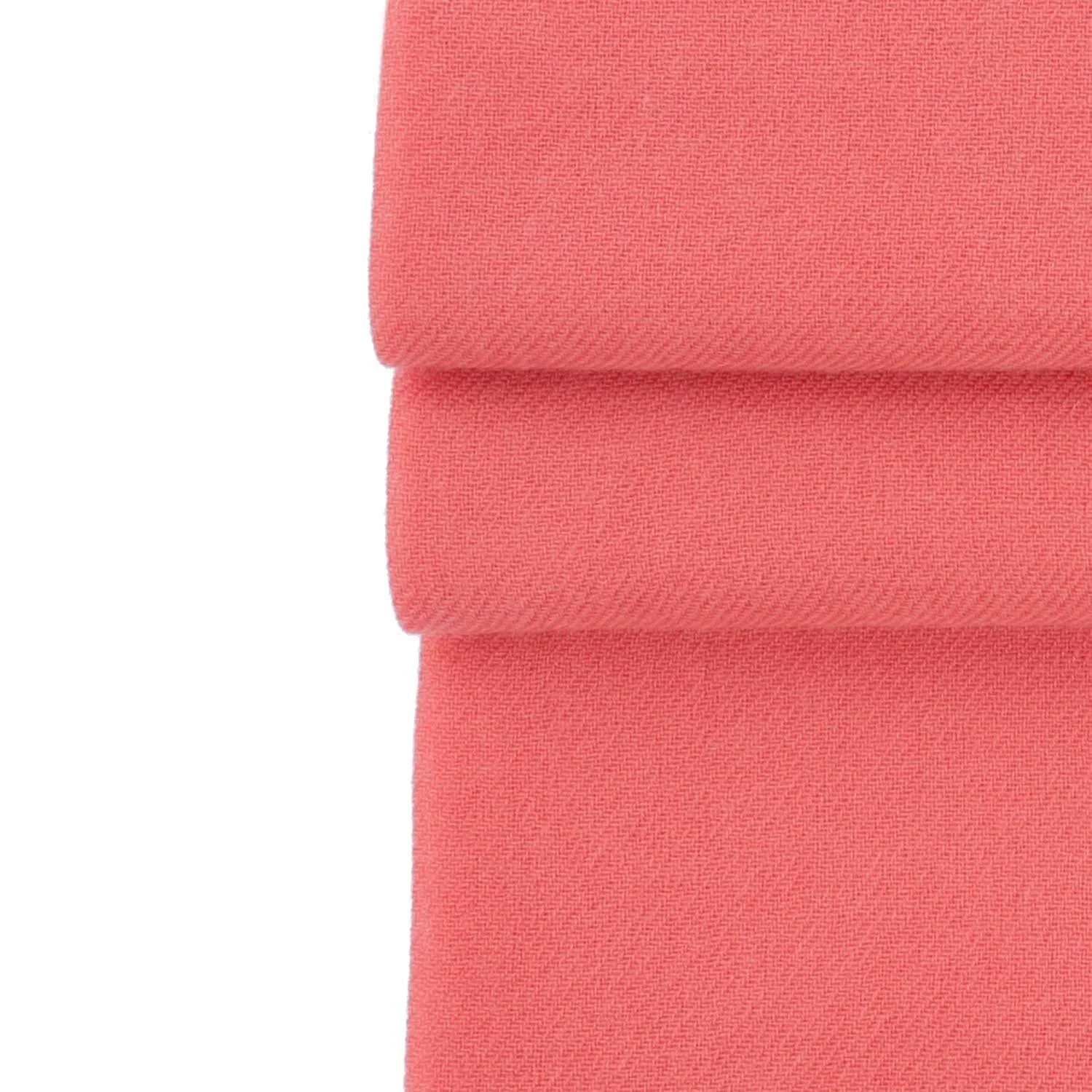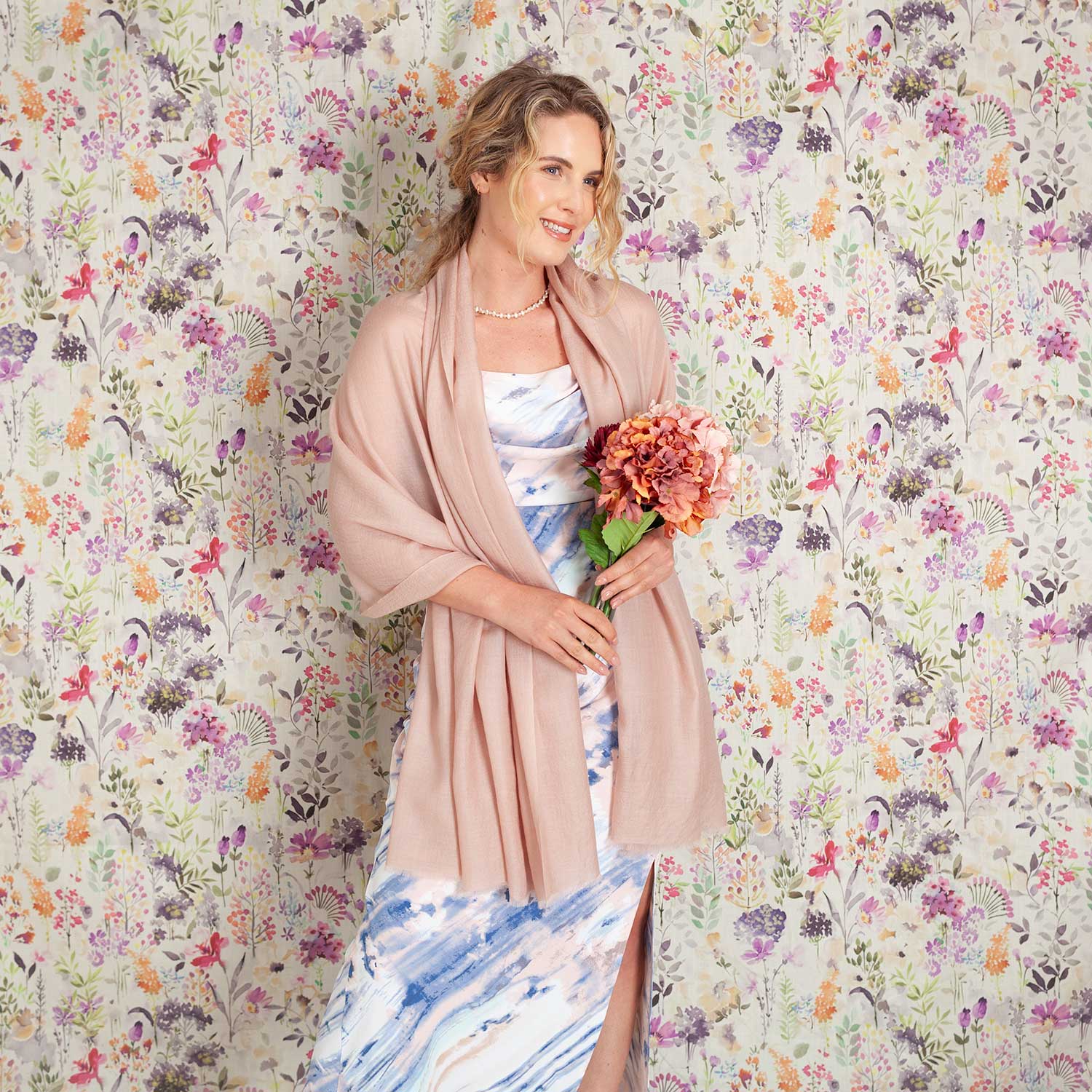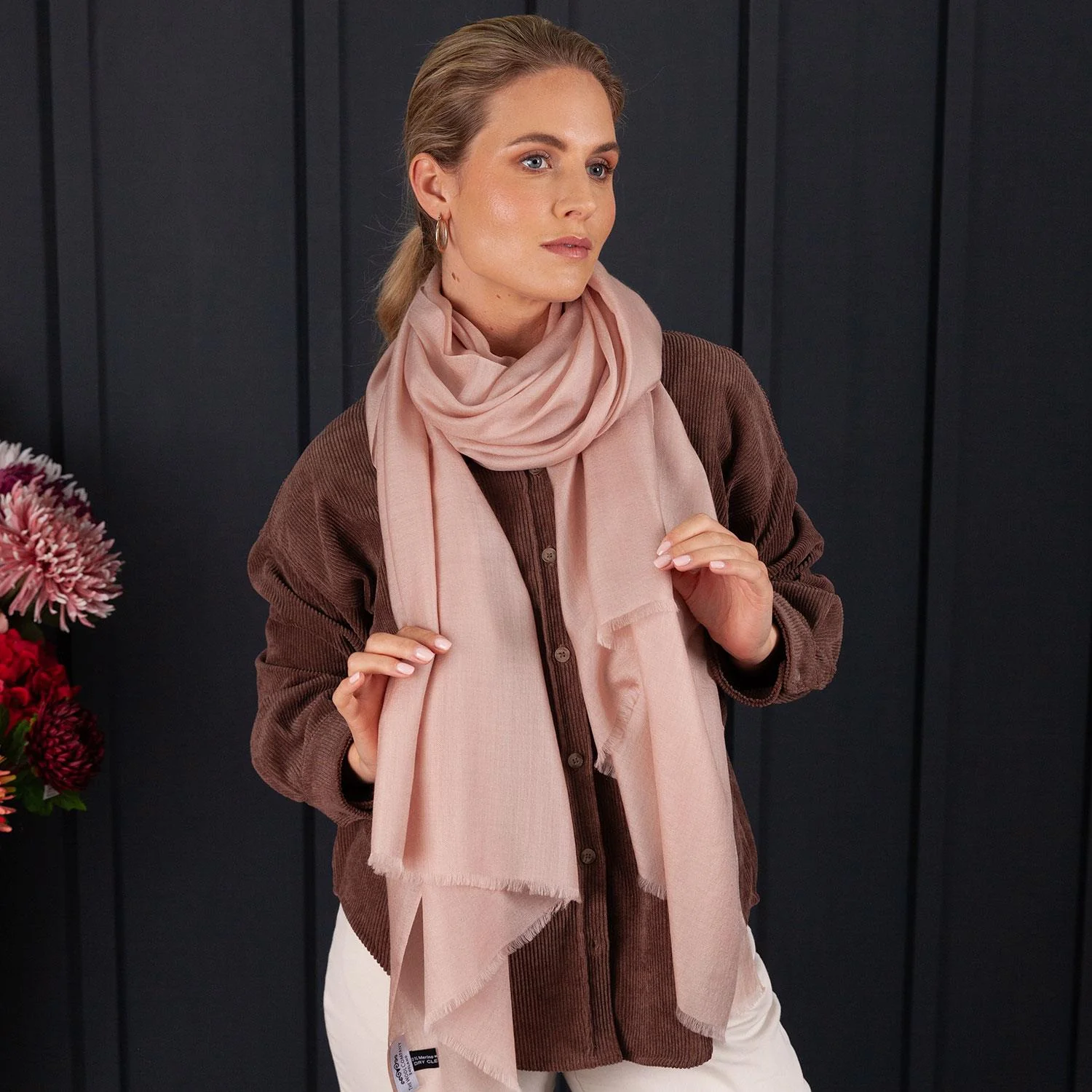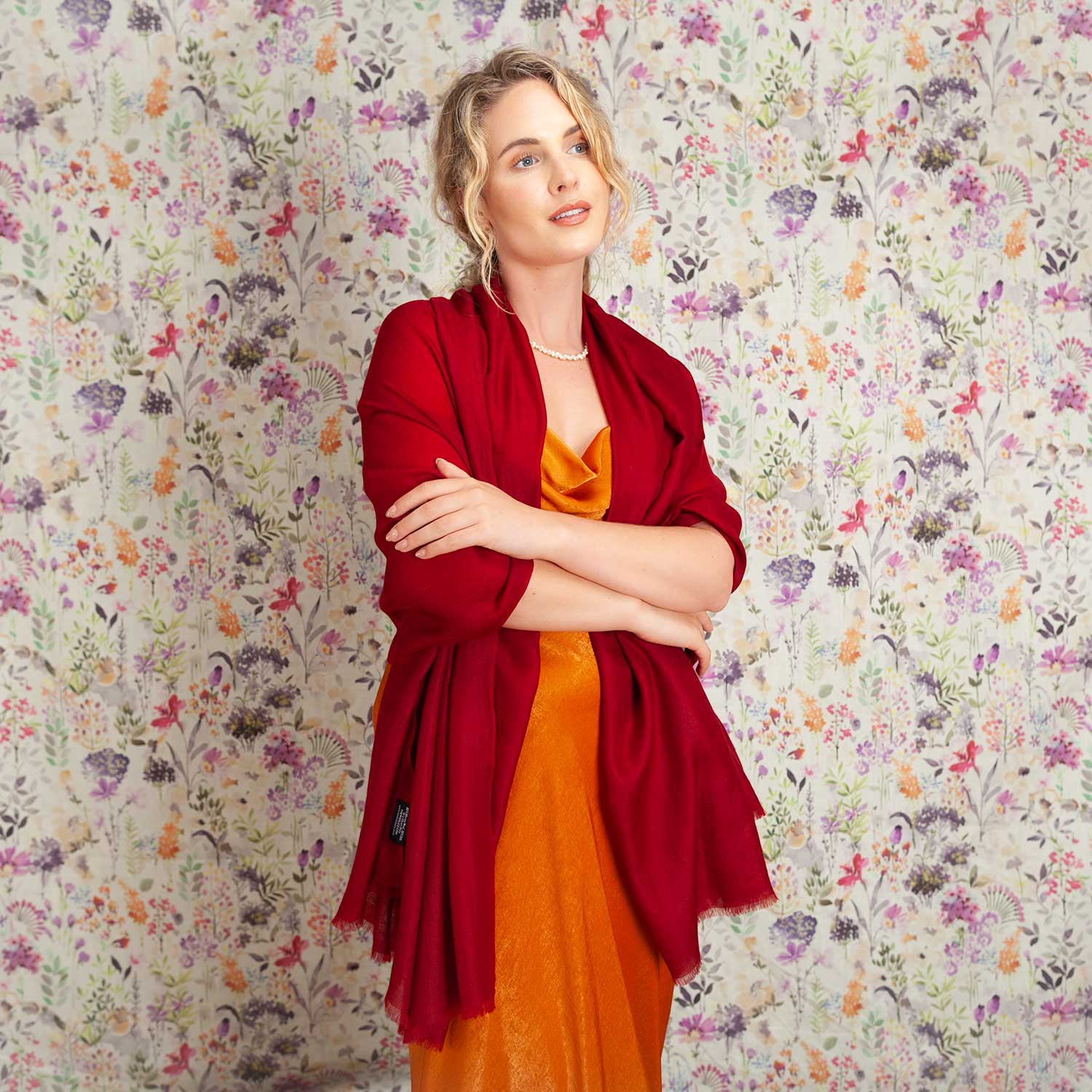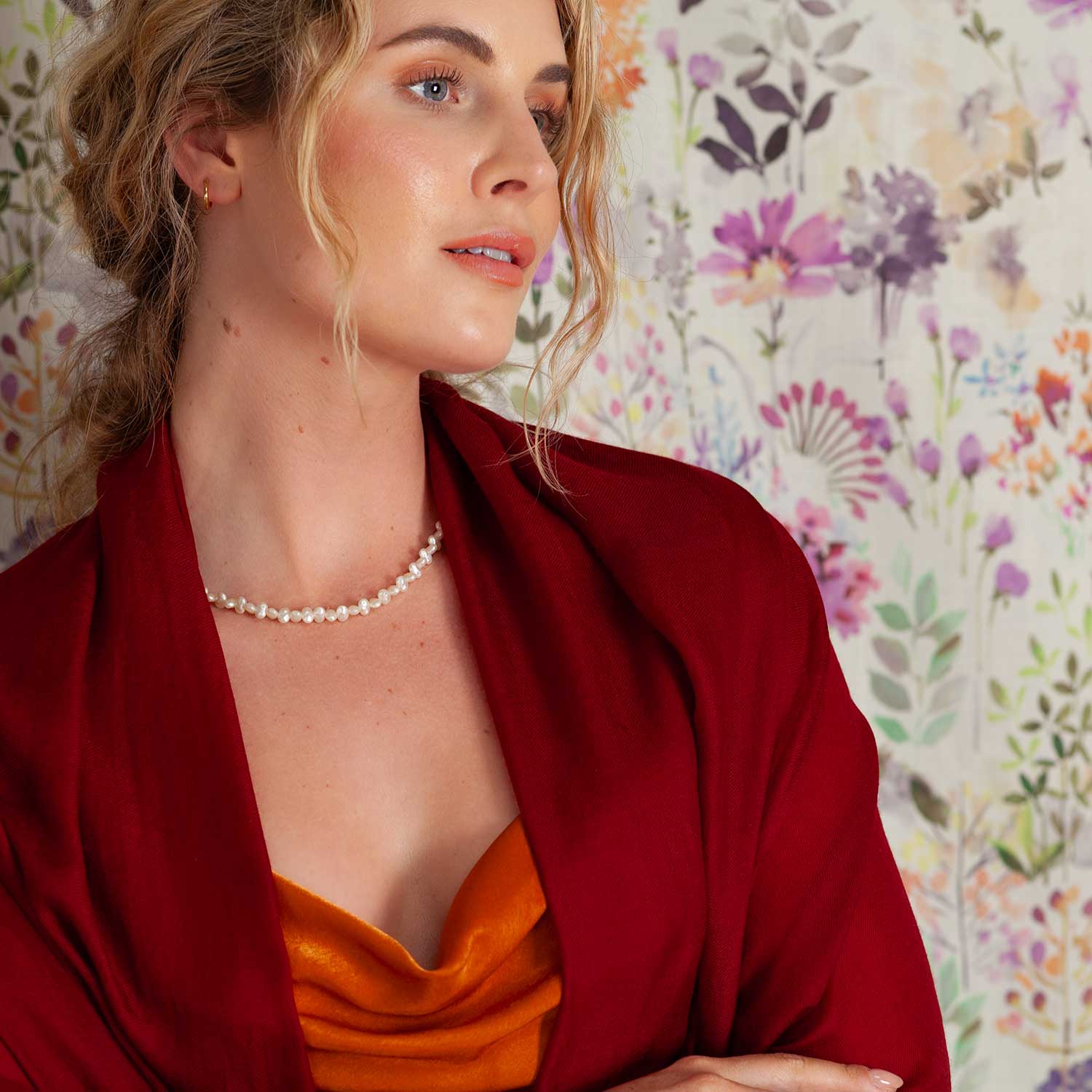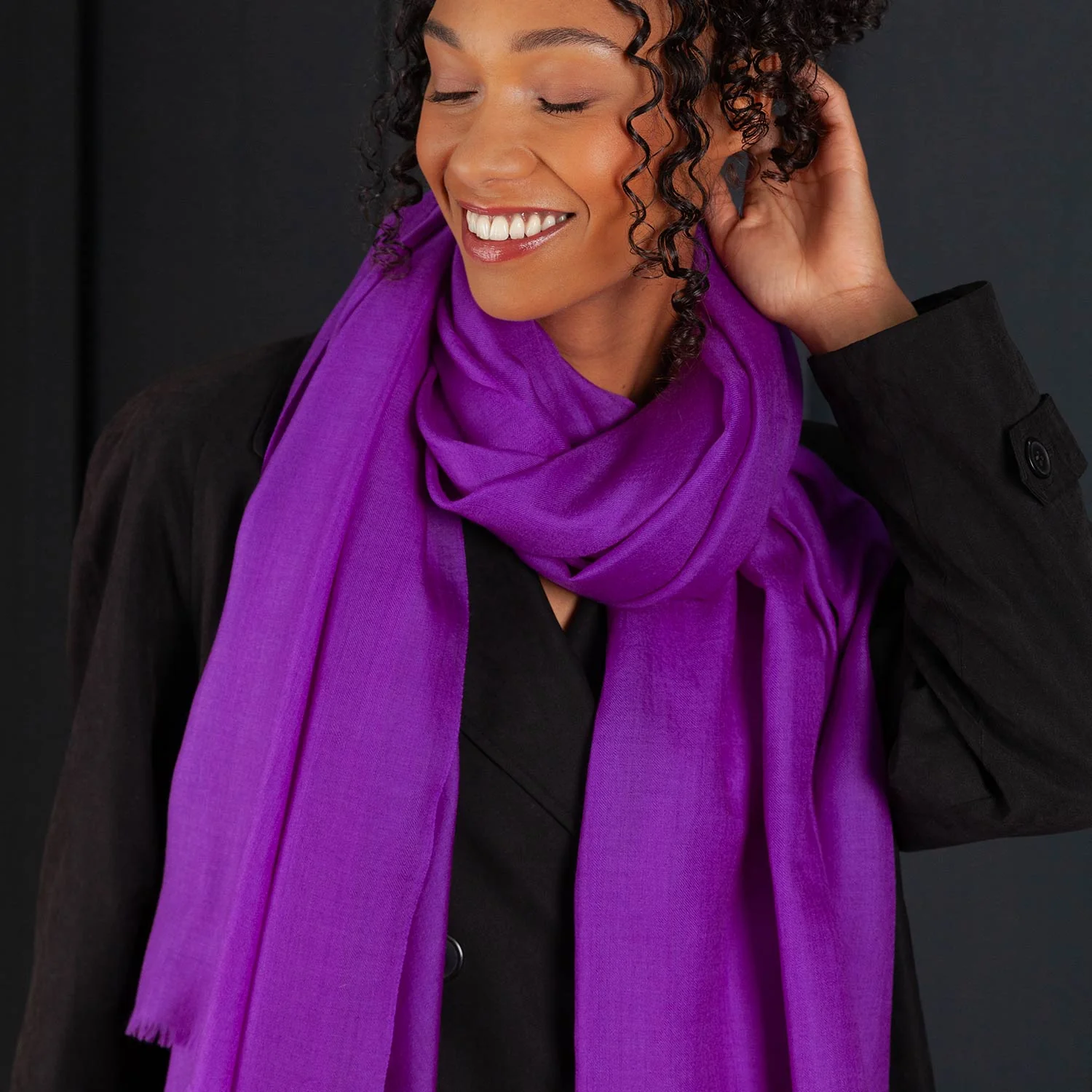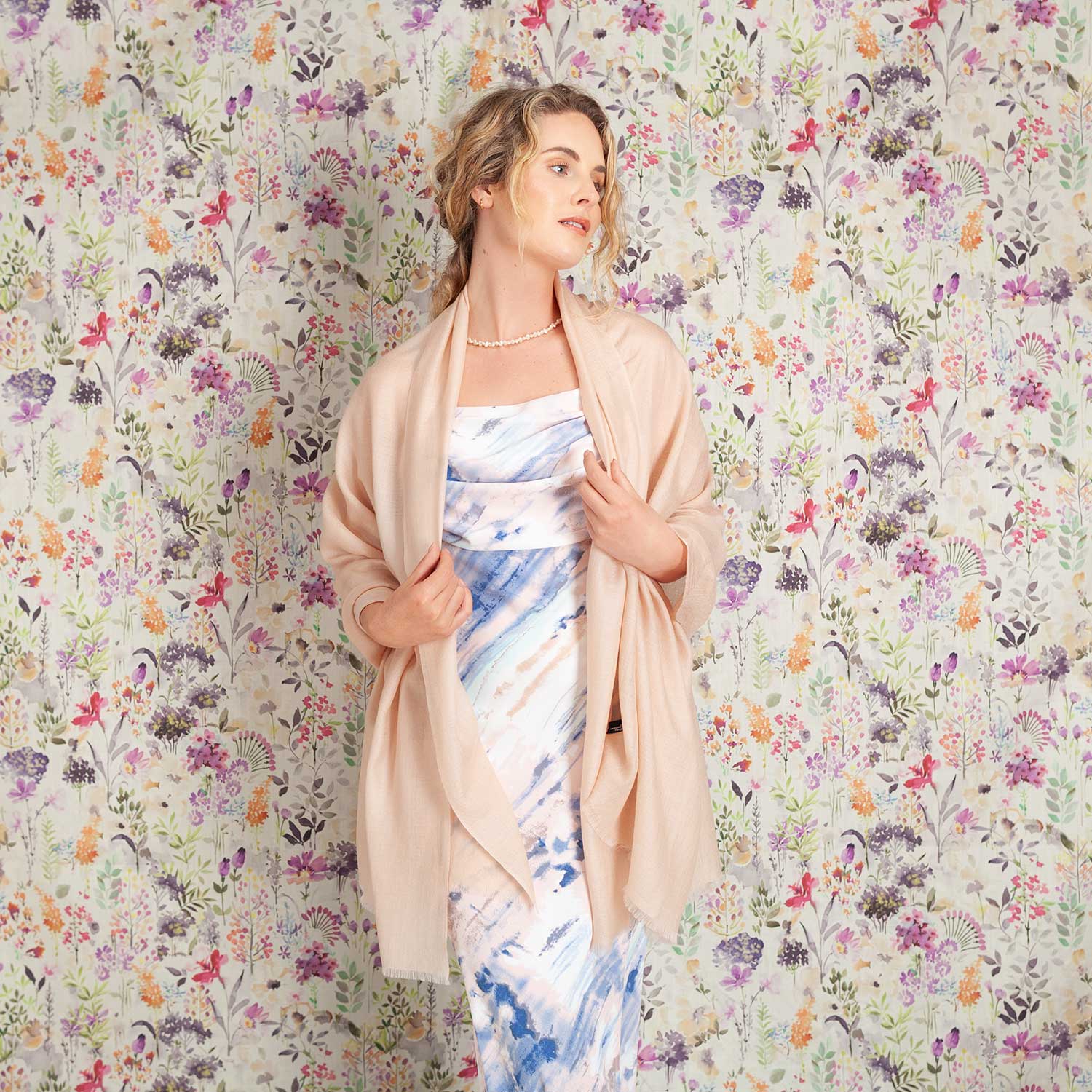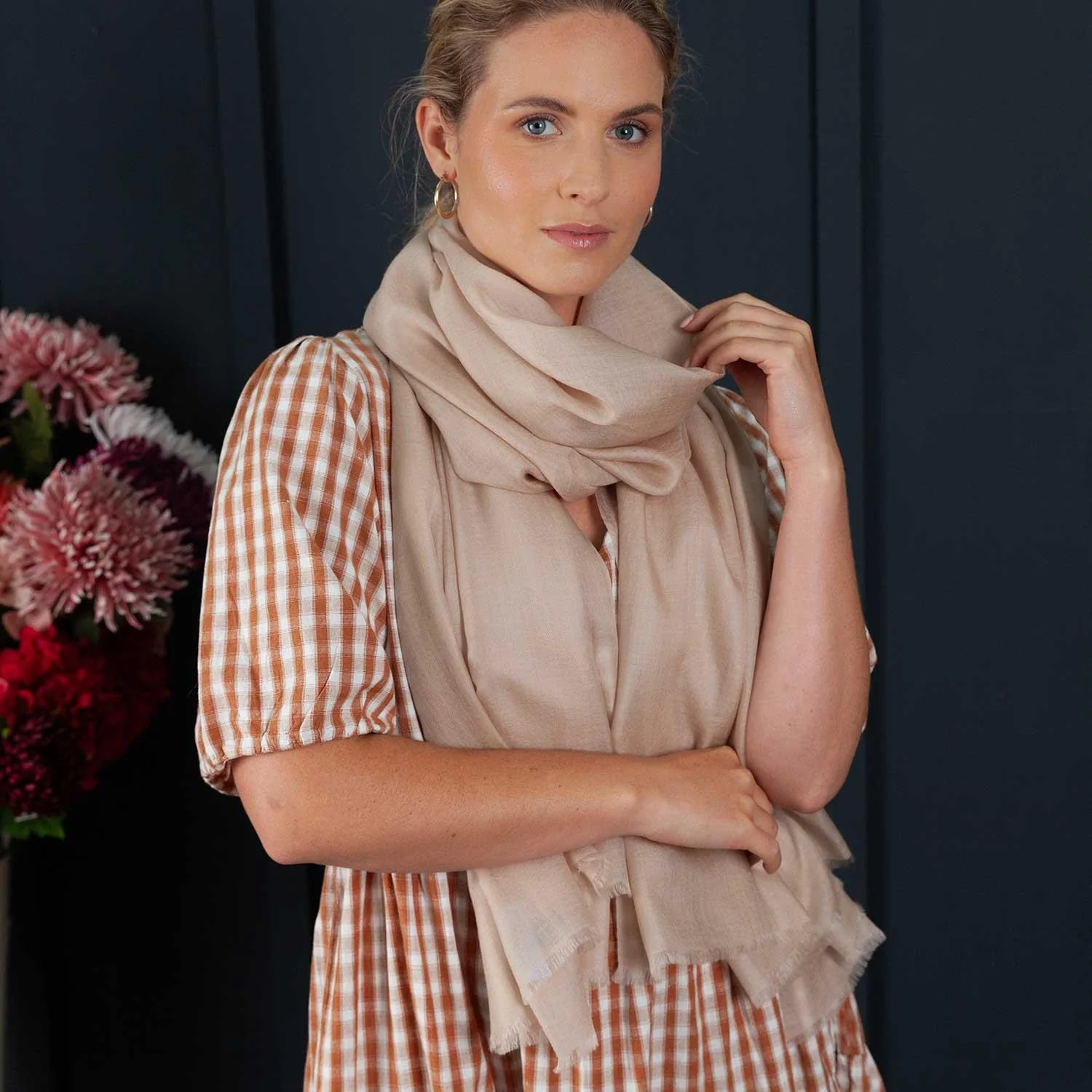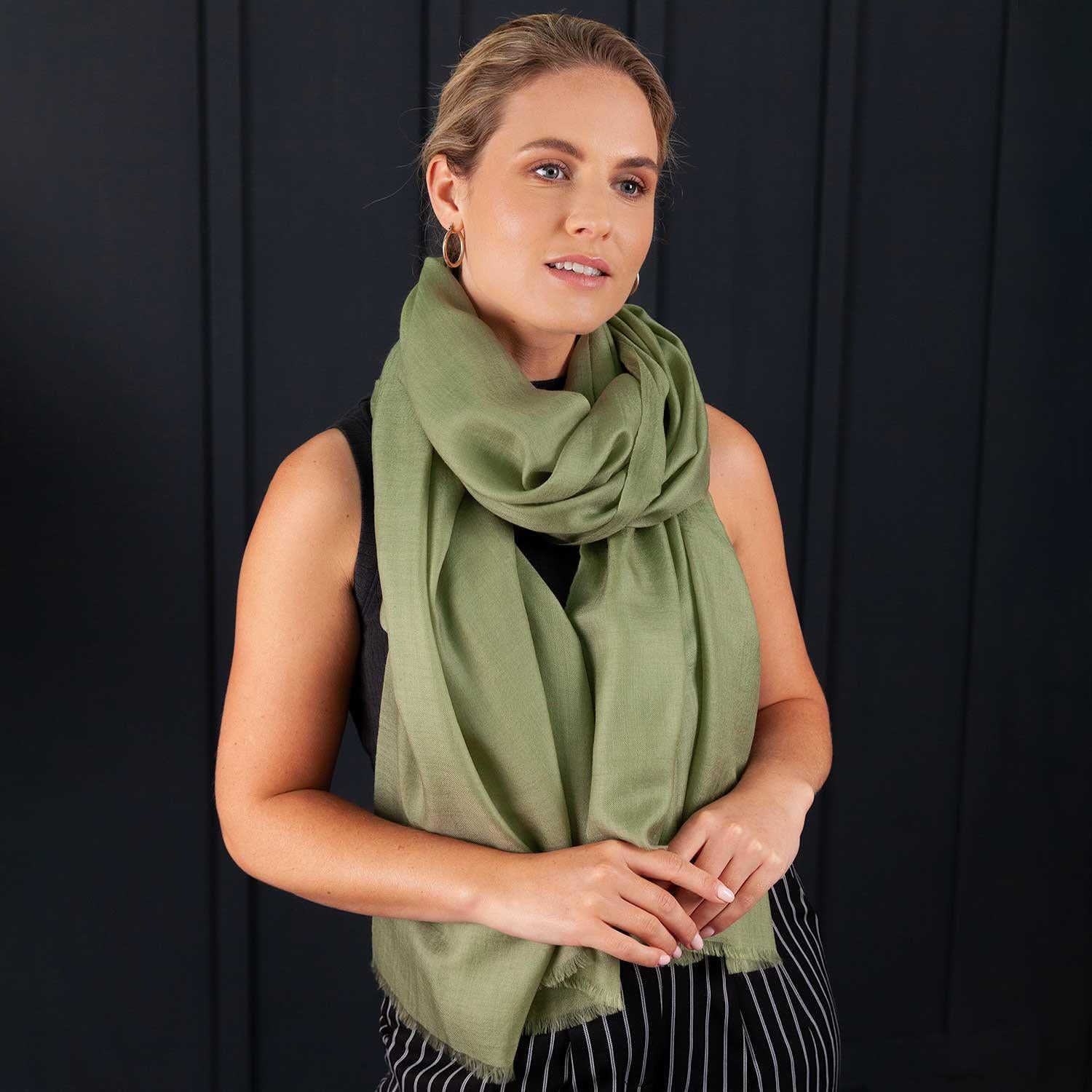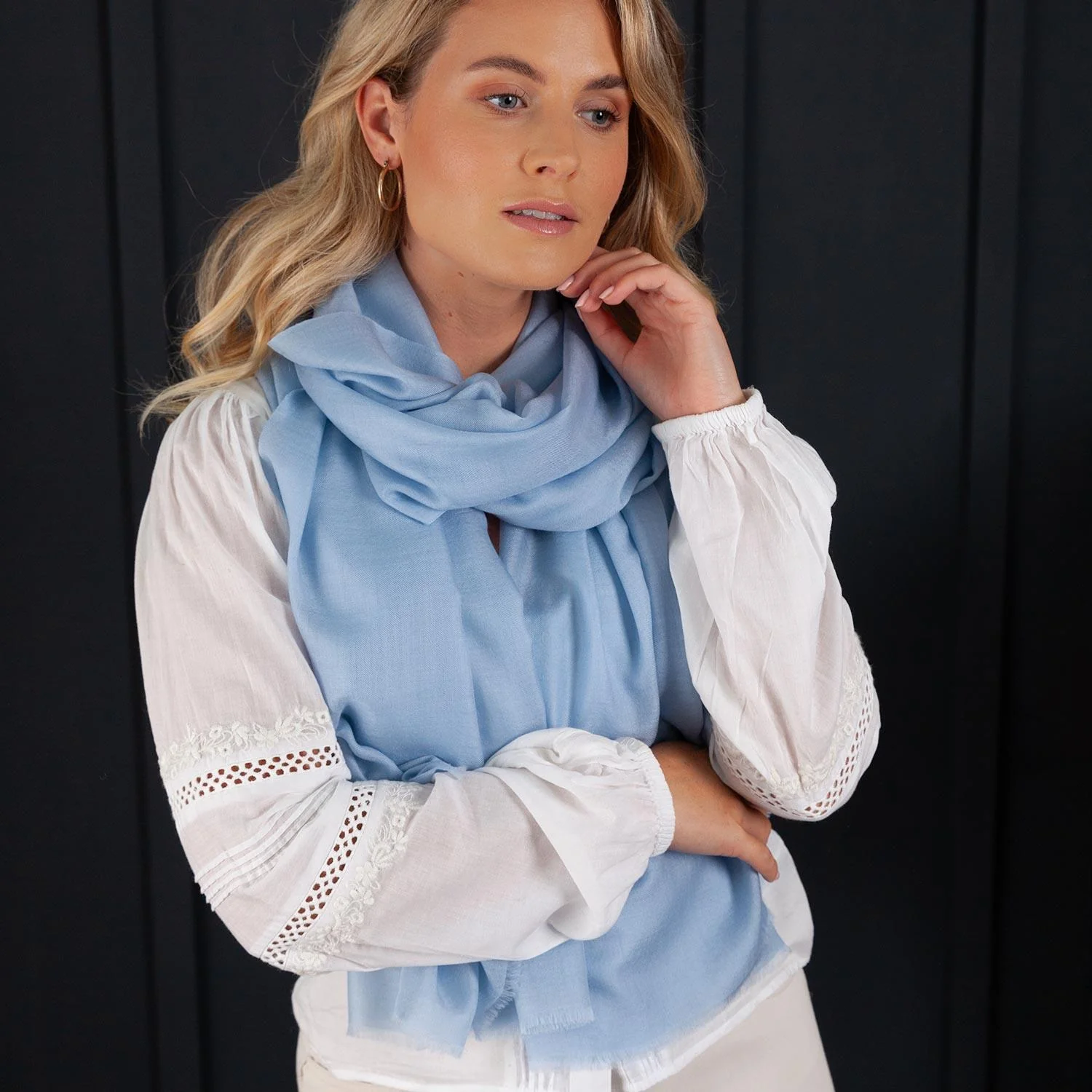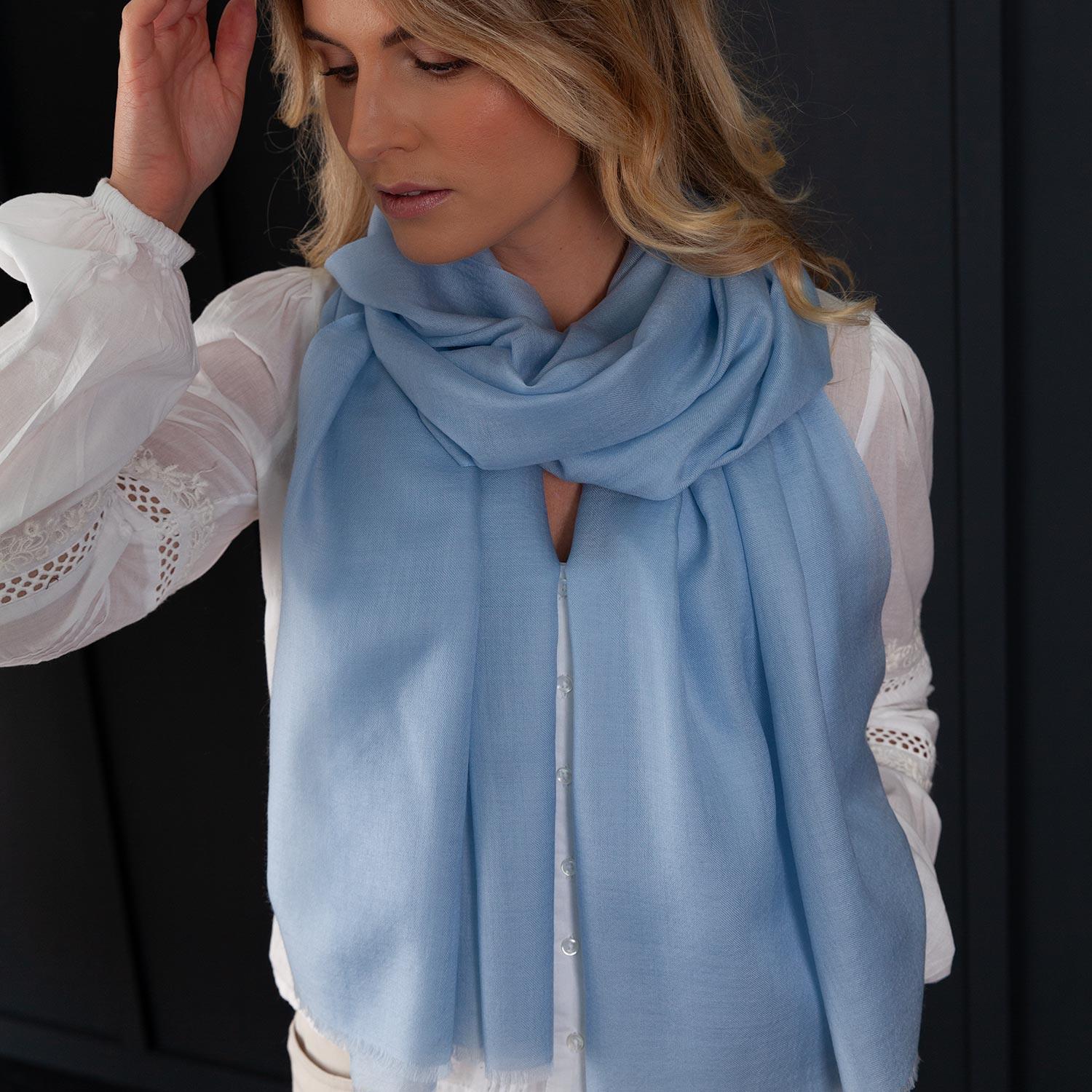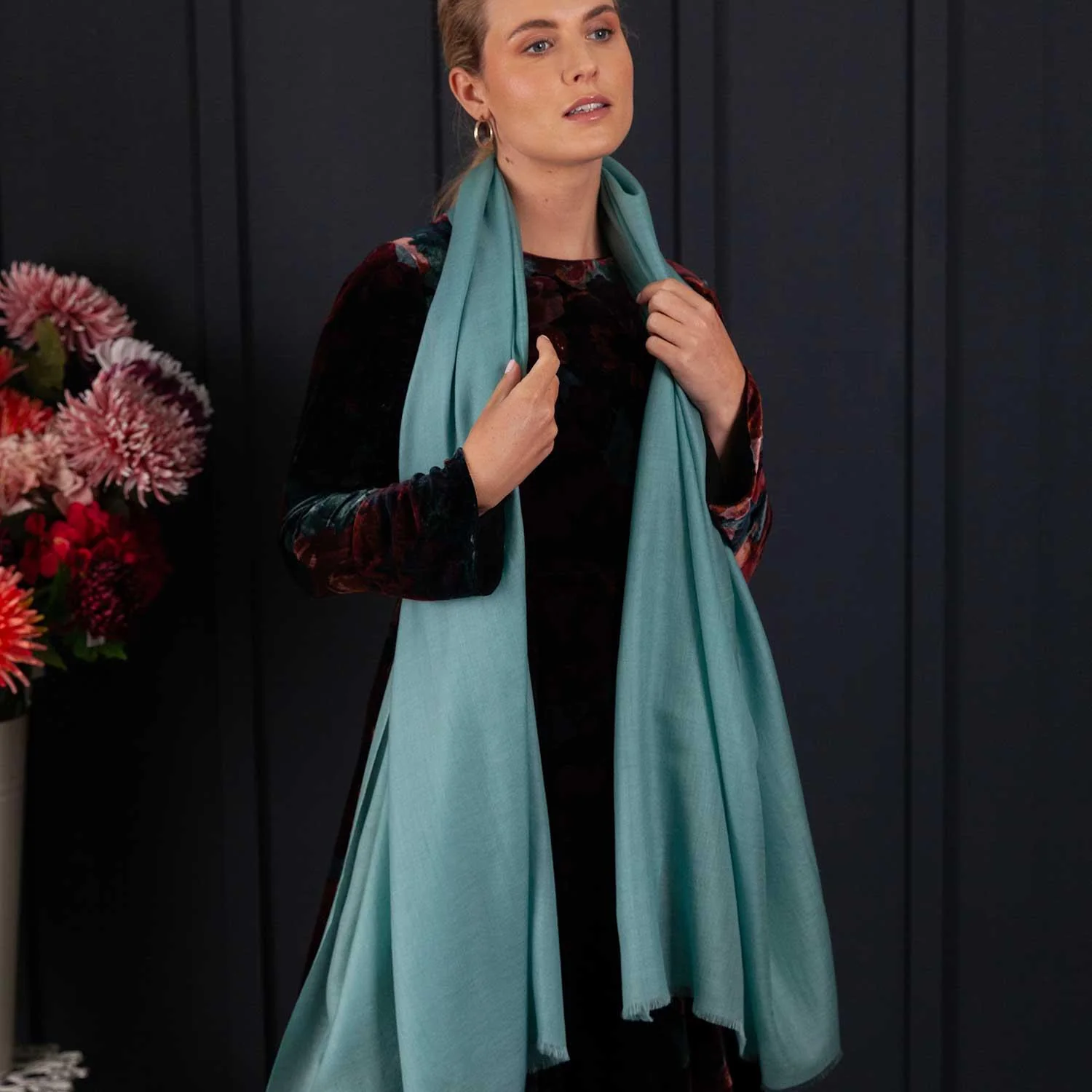
Embroidered Classic Toosh 'Mayajaal Shawl Beela'
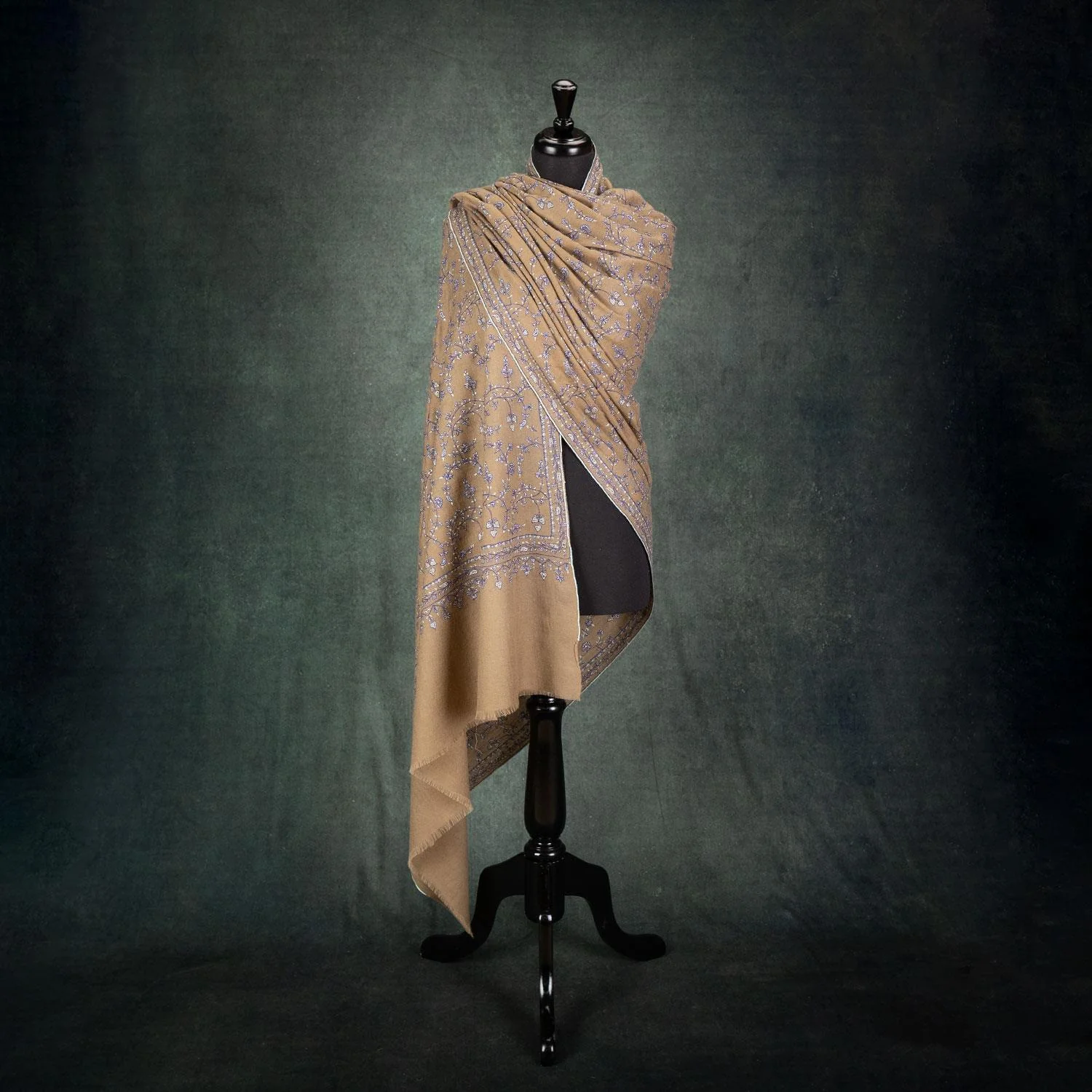
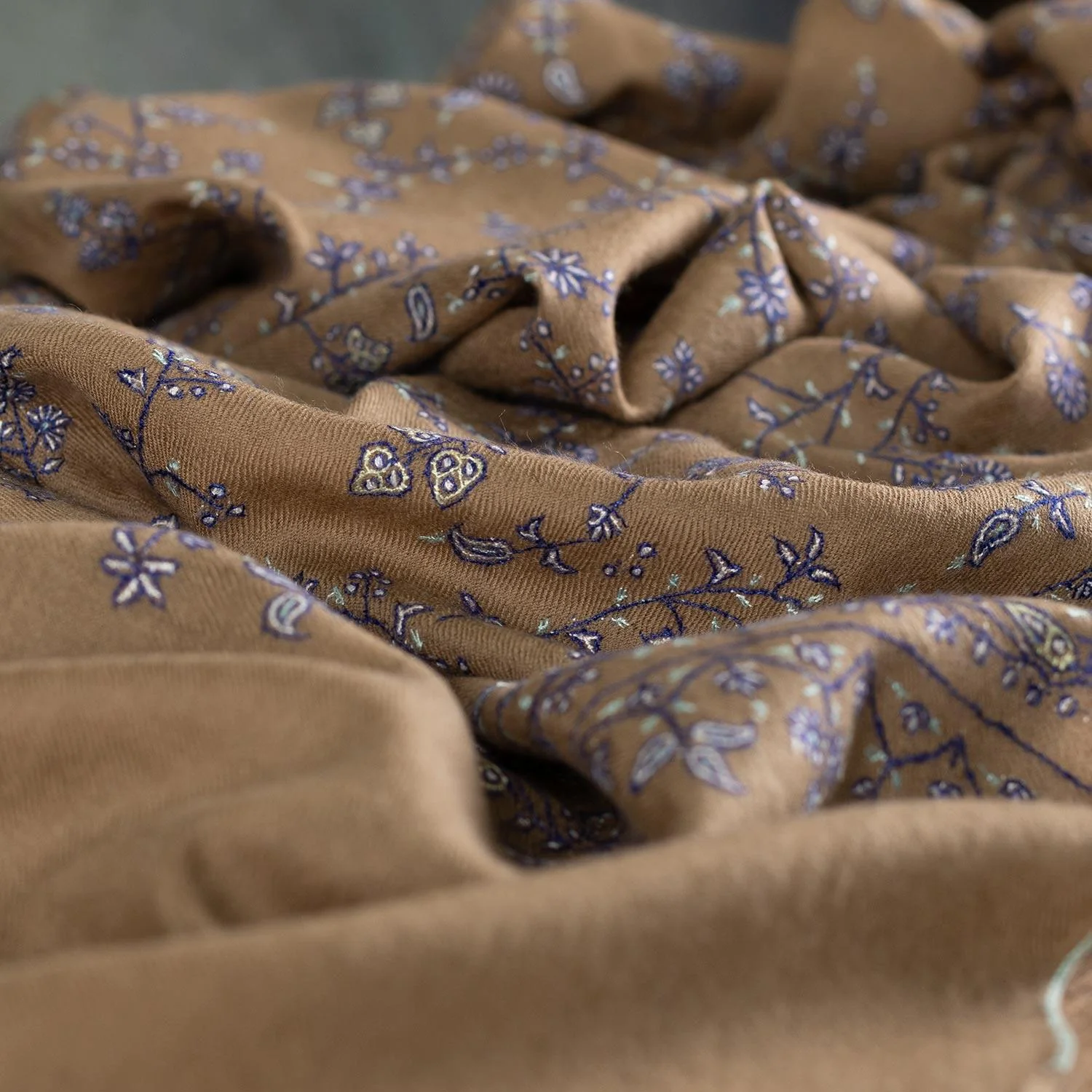
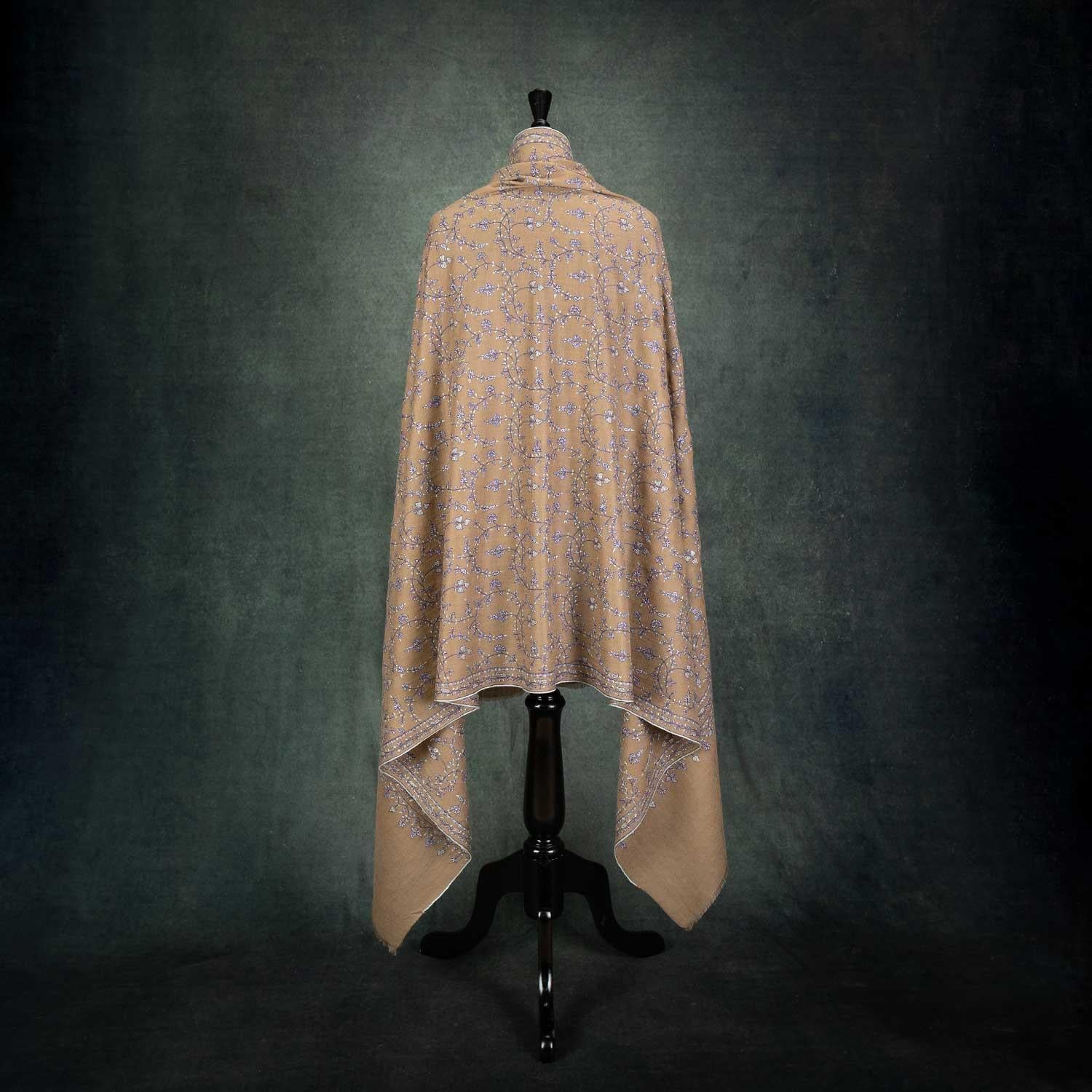
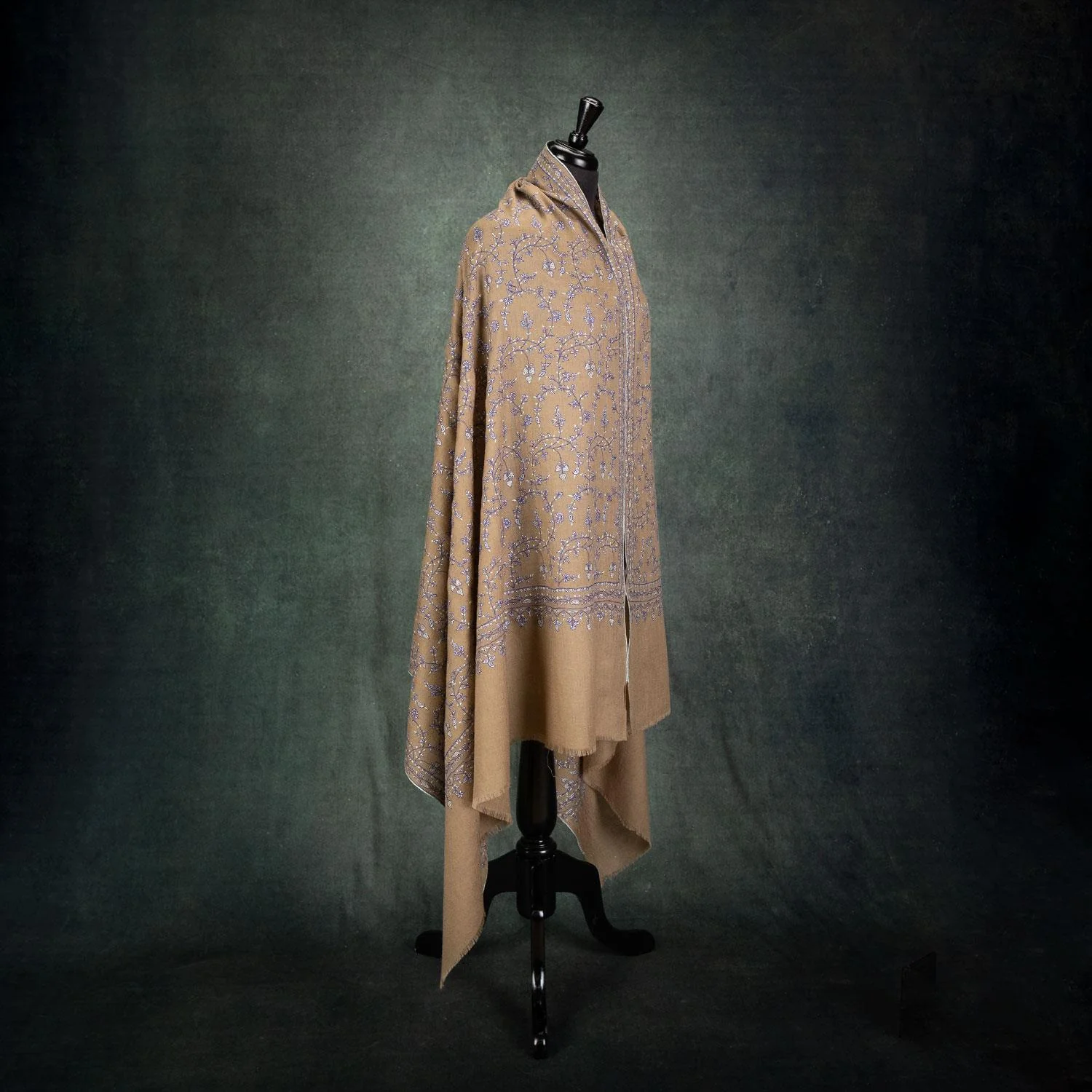
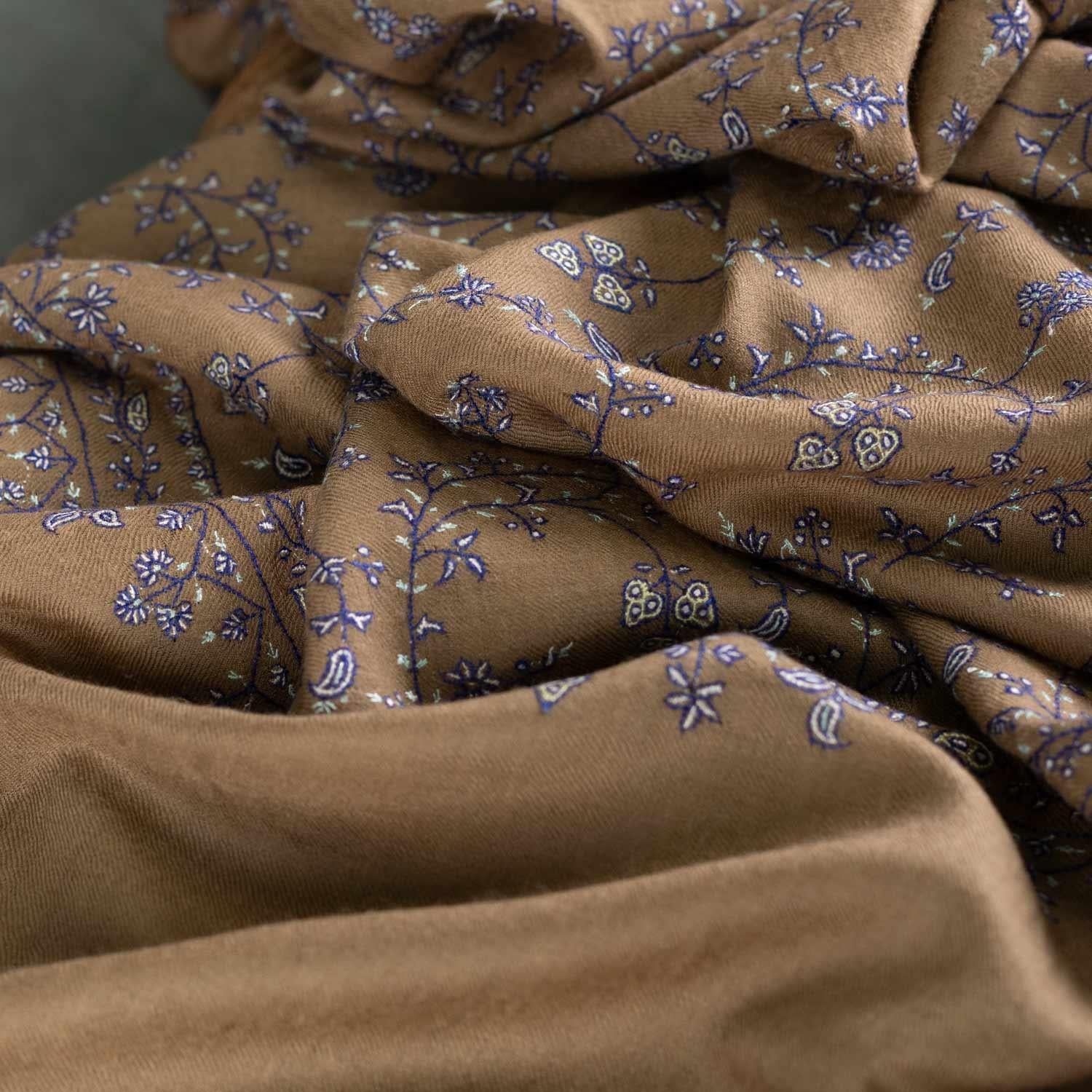
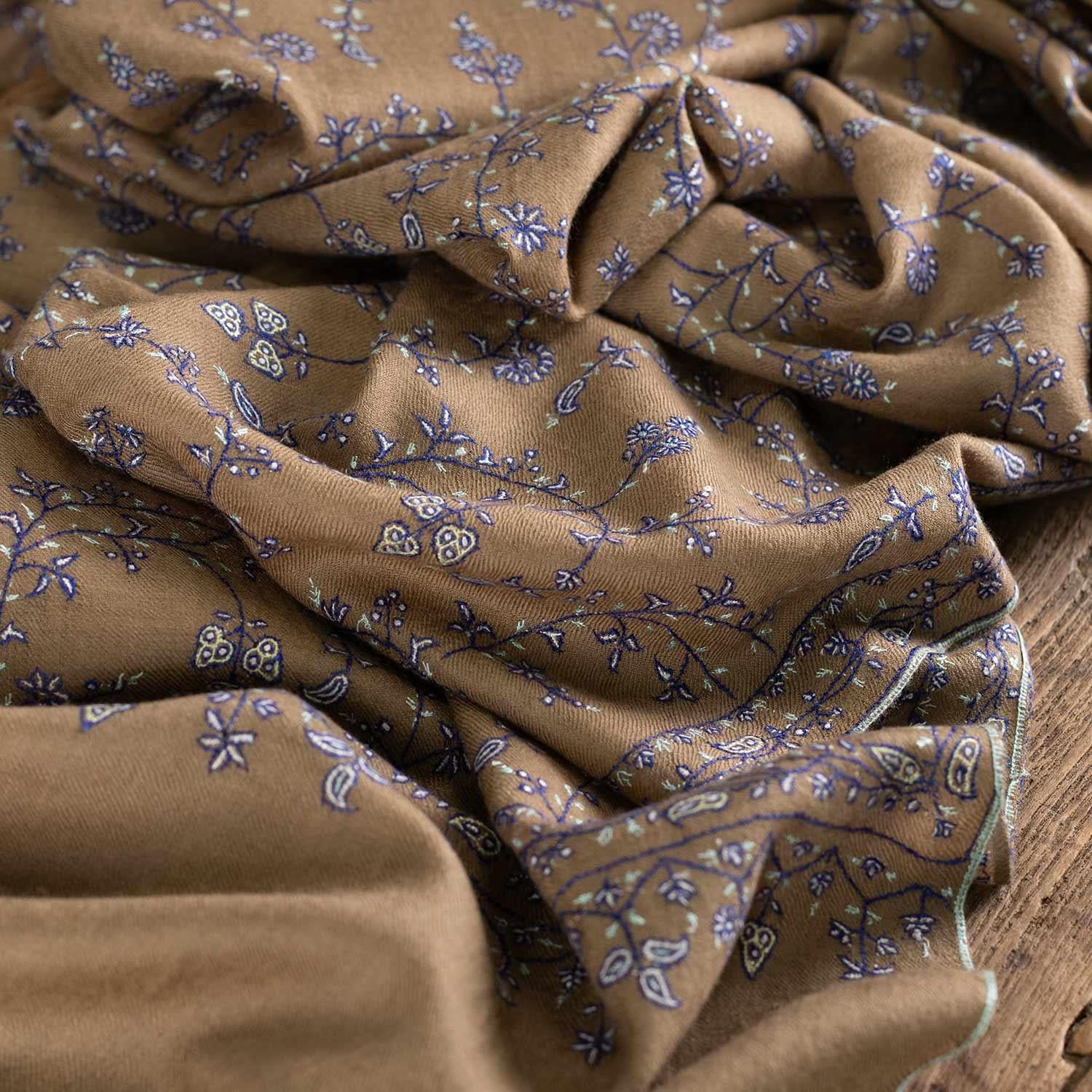
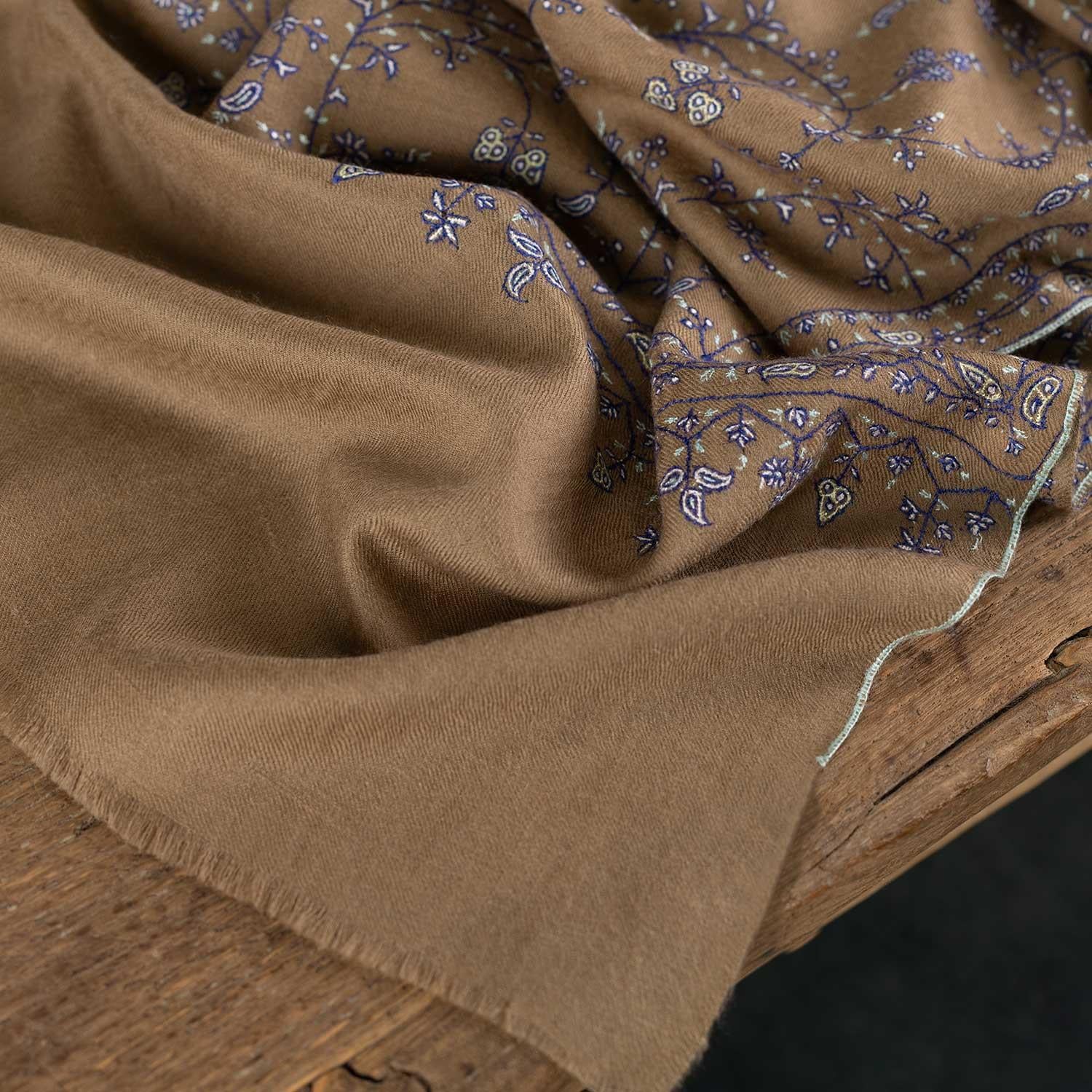
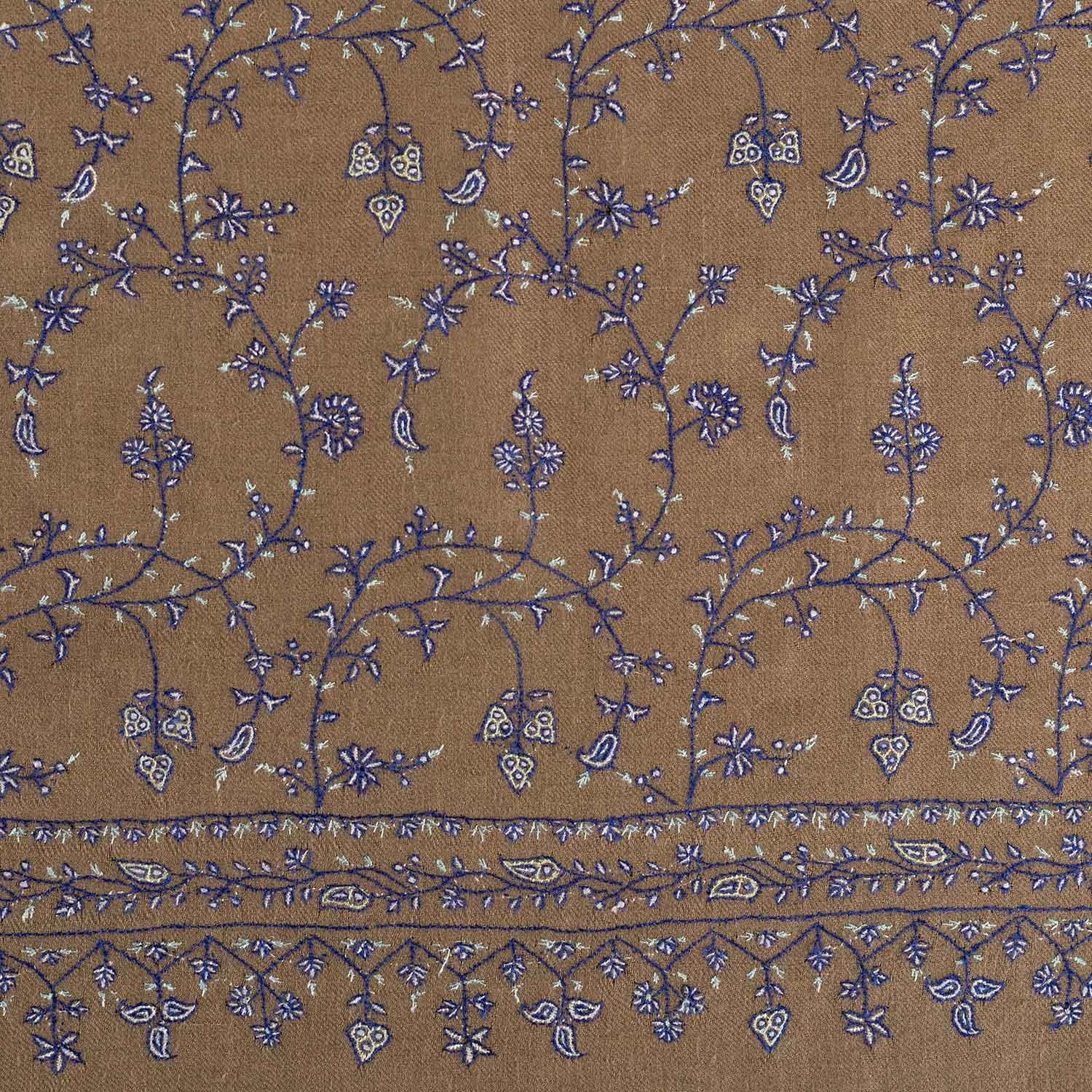
Exquisite hand embroidered shawl which is part of the Toosh revival series of shawls, a collection created to celebrate the luxury of Shatoosh.'Shawl Beela' has been woven using the finest cashmere fibres from Ladakh, which makes it as delicate and soft as Shatoosh, the world's most expensive fabric that is traditionally woven from hair of the Tibetan antelope.
The Mayajaal series inspiration comes from the various aspects of the formation of Galaxies and stars. Myajaal is made up of two words, Maya, meaning 'which is not there', and Jaal, which means 'a net'.
The raw pashmina wool was collected in June 2023 from a private herd of Changthani goats owned by Mr Tsering of Koyul village. The fibres were then washed, carded and de-haired, a process which removes the coarse guard hair from the pashmina fibres so that only the finest hairs remain. The limited edition 'pashmina' available in this quality is so small that the carding is done by hand, as machine carding would break the fibre length.
Hand spinning is a traditional culture in Kashmir carried out in the homes of skilled masters, where the soft pashmina fibres produce an incredibly fine yarn ranging from 110-140 English count. These results could not be achieved on a machine without a 'carrier fibre'. Eco-toosh fibres are shorter than normal, making spinning more difficult, as they are very delicate and break easily.
The yarn for this particular shawl was then sent to Srinagar and woven on a pit handloom by Mohamed Shabbir. As the yarn is extra delicate and composed of such short fibres, this fabric will have taken around a month to weave, requiring experienced craftsmanship.
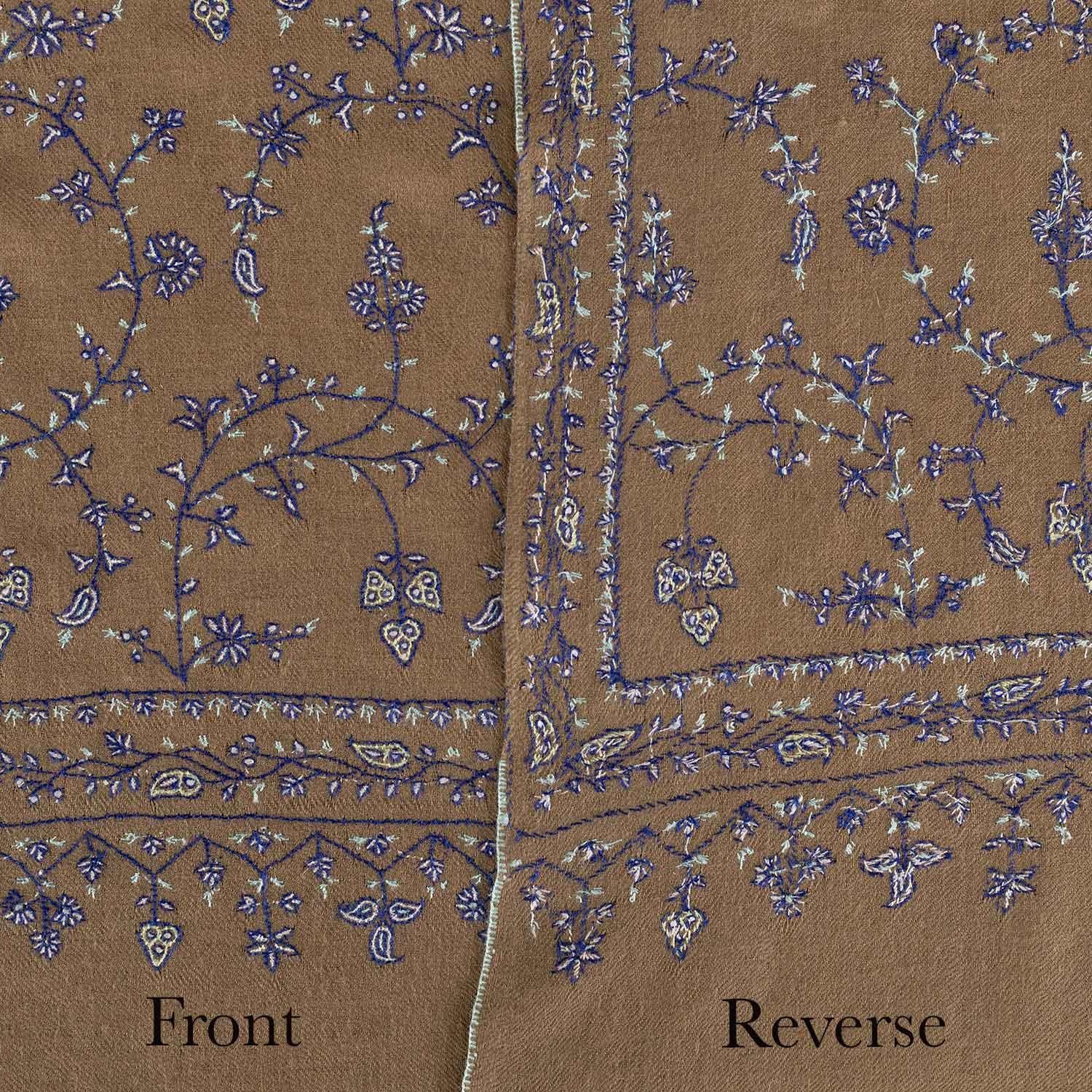
The fabric was then sent to the Ganderbal district of Kashmir to be embroidered by Mr Javed Ahmed, a 48-year-old craftsman. Due to the delicate nature of the eco-toosh fabric, the intricate classic Sozni style of hand embroidery will have taken him more than 4-5 months to complete.
Finally, the shawl was washed, finished and prepared for dispatch at the finishing plant in Hawal by Mr Zakir Wani.
Throughout every step, this shawl has been carefully and thoughtfully crafted: this is reflected in the timelessness and superior quality of the material and embroidery. With care, this piece is designed to last, and made to be passed down through generations, just as they are in the Kashmiri tradition. Though refined enough for a special occasion or formal event, it’s so beautifully soft and warm that you’ll want to reach for it every winter day.
Each shawl comes with a copy of The Kashmir Shawl, a book which explores the landscape and lives behind the production of these shawls.
- Size: 100 x 202 CM (39.5" x 79.5")
- Composition: 100% Cashmere, sourced in Ladakh from Grade A fibres
- Origin: Made in Kashmir
Product Care
Professional clean only.
Origin & Sustainability
This shawl embodies the principles of slow fashion — each stage, from sourcing to spinning, weaving and embroidery, is done by hand and can take months to complete. Every artisan involved brings years of skill, care and cultural heritage to the process.
Made from Grade A Ladakhi pashmina, this shawl uses one of the world’s finest natural fibres. Cashmere is not only supremely soft and warm, it is also renewable, biodegradable, and long-lasting — a conscious choice for those who value quality over quantity.
By supporting this craft, you help sustain traditional livelihoods and protect centuries-old skills and traditions. Read more on our Himalaya-based suppliers here.
Original: $1,301.37
-65%$1,301.37
$455.48More Images
Embroidered Classic Toosh 'Mayajaal Shawl Beela'
Exquisite hand embroidered shawl which is part of the Toosh revival series of shawls, a collection created to celebrate the luxury of Shatoosh.'Shawl Beela' has been woven using the finest cashmere fibres from Ladakh, which makes it as delicate and soft as Shatoosh, the world's most expensive fabric that is traditionally woven from hair of the Tibetan antelope.
The Mayajaal series inspiration comes from the various aspects of the formation of Galaxies and stars. Myajaal is made up of two words, Maya, meaning 'which is not there', and Jaal, which means 'a net'.
The raw pashmina wool was collected in June 2023 from a private herd of Changthani goats owned by Mr Tsering of Koyul village. The fibres were then washed, carded and de-haired, a process which removes the coarse guard hair from the pashmina fibres so that only the finest hairs remain. The limited edition 'pashmina' available in this quality is so small that the carding is done by hand, as machine carding would break the fibre length.
Hand spinning is a traditional culture in Kashmir carried out in the homes of skilled masters, where the soft pashmina fibres produce an incredibly fine yarn ranging from 110-140 English count. These results could not be achieved on a machine without a 'carrier fibre'. Eco-toosh fibres are shorter than normal, making spinning more difficult, as they are very delicate and break easily.
The yarn for this particular shawl was then sent to Srinagar and woven on a pit handloom by Mohamed Shabbir. As the yarn is extra delicate and composed of such short fibres, this fabric will have taken around a month to weave, requiring experienced craftsmanship.
The fabric was then sent to the Ganderbal district of Kashmir to be embroidered by Mr Javed Ahmed, a 48-year-old craftsman. Due to the delicate nature of the eco-toosh fabric, the intricate classic Sozni style of hand embroidery will have taken him more than 4-5 months to complete.
Finally, the shawl was washed, finished and prepared for dispatch at the finishing plant in Hawal by Mr Zakir Wani.
Throughout every step, this shawl has been carefully and thoughtfully crafted: this is reflected in the timelessness and superior quality of the material and embroidery. With care, this piece is designed to last, and made to be passed down through generations, just as they are in the Kashmiri tradition. Though refined enough for a special occasion or formal event, it’s so beautifully soft and warm that you’ll want to reach for it every winter day.
Each shawl comes with a copy of The Kashmir Shawl, a book which explores the landscape and lives behind the production of these shawls.
- Size: 100 x 202 CM (39.5" x 79.5")
- Composition: 100% Cashmere, sourced in Ladakh from Grade A fibres
- Origin: Made in Kashmir
Product Care
Professional clean only.
Origin & Sustainability
This shawl embodies the principles of slow fashion — each stage, from sourcing to spinning, weaving and embroidery, is done by hand and can take months to complete. Every artisan involved brings years of skill, care and cultural heritage to the process.
Made from Grade A Ladakhi pashmina, this shawl uses one of the world’s finest natural fibres. Cashmere is not only supremely soft and warm, it is also renewable, biodegradable, and long-lasting — a conscious choice for those who value quality over quantity.
By supporting this craft, you help sustain traditional livelihoods and protect centuries-old skills and traditions. Read more on our Himalaya-based suppliers here.
Product Information
Product Information
Shipping & Returns
Shipping & Returns
Description
Exquisite hand embroidered shawl which is part of the Toosh revival series of shawls, a collection created to celebrate the luxury of Shatoosh.'Shawl Beela' has been woven using the finest cashmere fibres from Ladakh, which makes it as delicate and soft as Shatoosh, the world's most expensive fabric that is traditionally woven from hair of the Tibetan antelope.
The Mayajaal series inspiration comes from the various aspects of the formation of Galaxies and stars. Myajaal is made up of two words, Maya, meaning 'which is not there', and Jaal, which means 'a net'.
The raw pashmina wool was collected in June 2023 from a private herd of Changthani goats owned by Mr Tsering of Koyul village. The fibres were then washed, carded and de-haired, a process which removes the coarse guard hair from the pashmina fibres so that only the finest hairs remain. The limited edition 'pashmina' available in this quality is so small that the carding is done by hand, as machine carding would break the fibre length.
Hand spinning is a traditional culture in Kashmir carried out in the homes of skilled masters, where the soft pashmina fibres produce an incredibly fine yarn ranging from 110-140 English count. These results could not be achieved on a machine without a 'carrier fibre'. Eco-toosh fibres are shorter than normal, making spinning more difficult, as they are very delicate and break easily.
The yarn for this particular shawl was then sent to Srinagar and woven on a pit handloom by Mohamed Shabbir. As the yarn is extra delicate and composed of such short fibres, this fabric will have taken around a month to weave, requiring experienced craftsmanship.
The fabric was then sent to the Ganderbal district of Kashmir to be embroidered by Mr Javed Ahmed, a 48-year-old craftsman. Due to the delicate nature of the eco-toosh fabric, the intricate classic Sozni style of hand embroidery will have taken him more than 4-5 months to complete.
Finally, the shawl was washed, finished and prepared for dispatch at the finishing plant in Hawal by Mr Zakir Wani.
Throughout every step, this shawl has been carefully and thoughtfully crafted: this is reflected in the timelessness and superior quality of the material and embroidery. With care, this piece is designed to last, and made to be passed down through generations, just as they are in the Kashmiri tradition. Though refined enough for a special occasion or formal event, it’s so beautifully soft and warm that you’ll want to reach for it every winter day.
Each shawl comes with a copy of The Kashmir Shawl, a book which explores the landscape and lives behind the production of these shawls.
- Size: 100 x 202 CM (39.5" x 79.5")
- Composition: 100% Cashmere, sourced in Ladakh from Grade A fibres
- Origin: Made in Kashmir
Product Care
Professional clean only.
Origin & Sustainability
This shawl embodies the principles of slow fashion — each stage, from sourcing to spinning, weaving and embroidery, is done by hand and can take months to complete. Every artisan involved brings years of skill, care and cultural heritage to the process.
Made from Grade A Ladakhi pashmina, this shawl uses one of the world’s finest natural fibres. Cashmere is not only supremely soft and warm, it is also renewable, biodegradable, and long-lasting — a conscious choice for those who value quality over quantity.
By supporting this craft, you help sustain traditional livelihoods and protect centuries-old skills and traditions. Read more on our Himalaya-based suppliers here.